Why Safety Training Is Important for Employees in UAE Workplaces
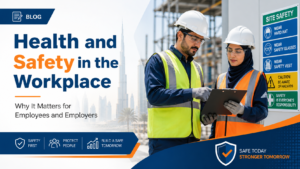
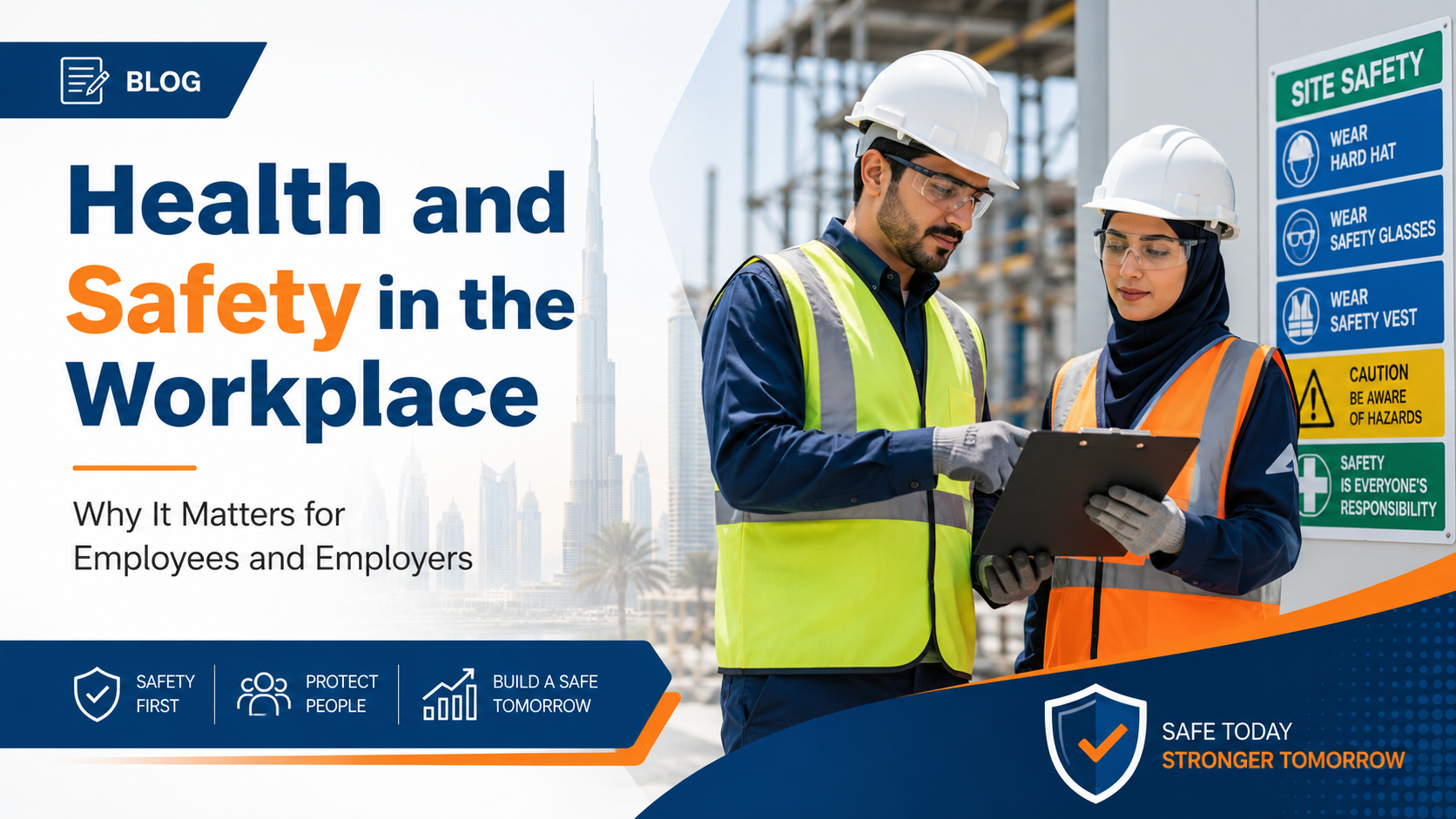
Safety training is very important for every workplace. It helps employees understand workplace hazards, follow safe procedures, and prevent accidents. It also helps employers build a safer and more responsible work environment.
In the UAE, many workplaces include construction, oil and gas, manufacturing, logistics, hospitality, food safety, and general office activities. Each workplace has different hazards. Therefore, employees need proper safety training before they start work.
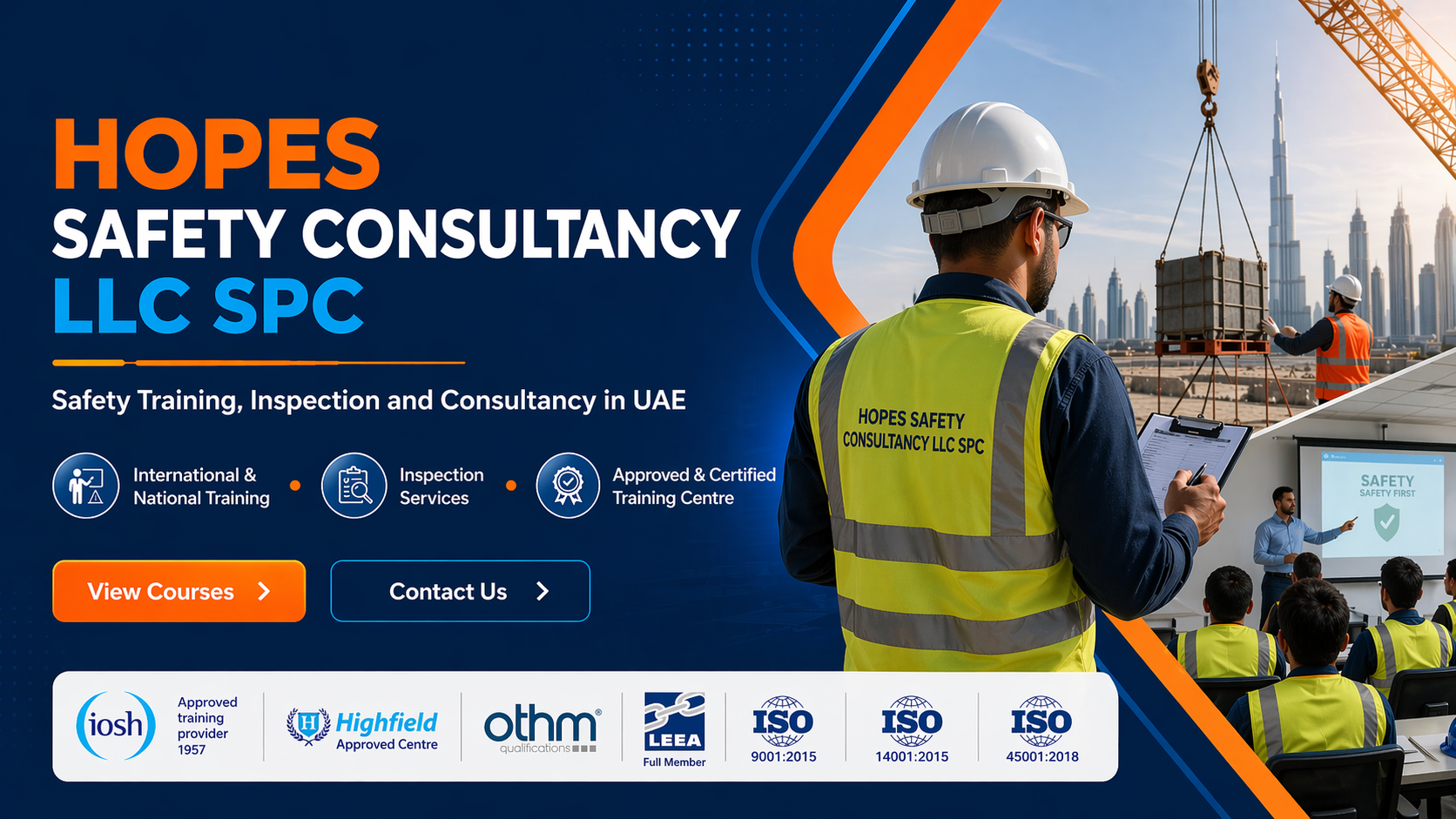
Hopes Safety Consultancy LLC SPC provides health and safety training, HSE consultancy, and inspection services for companies and learners in the UAE. The company profile also shows ACTVET training approval and different safety training course offerings.
What Is Safety Training?
Safety training is the process of teaching employees how to work safely. It explains workplace hazards, control measures, emergency procedures, and safe behaviour.
Safety training can include:
- General health and safety awareness
- Fire safety training
- First aid training
- Working at height training
- Confined space training
- Manual handling training
- Heat stress awareness
- Lifting operation safety
- PPE awareness
- Risk assessment awareness
- Accident and incident reporting
The main aim of safety training is to protect people from harm.
Why Safety Training Is Important
Safety training helps employees understand what can go wrong at work. It also teaches them how to avoid unsafe acts and unsafe conditions.
Without proper training, workers may not understand the risks around them. They may use tools incorrectly, ignore PPE, or take shortcuts. These actions can lead to accidents, injuries, and business losses.
Safety training is important because it helps to:
- Reduce workplace accidents
- Improve employee awareness
- Prevent injuries and illness
- Improve emergency response
- Support legal compliance
- Improve productivity
- Build confidence among workers
- Create a positive safety culture
Benefits for Employees
Employees are the first people affected by unsafe work. Proper safety training helps them protect themselves and others.
Training helps employees to:
- Recognise hazards before an accident happens
- Understand safety signs and warning labels
- Use PPE correctly
- Follow safe work procedures
- Report unsafe conditions
- Respond correctly during emergencies
- Avoid shortcuts during work
When employees are trained, they feel more confident and responsible.
Benefits for Employers
Employers also benefit from safety training. A trained workforce can reduce accidents, reduce downtime, and improve company performance.
Safety training helps employers to:
- Meet workplace safety requirements
- Reduce accident costs
- Improve worker discipline
- Improve company reputation
- Reduce equipment damage
- Improve client confidence
- Create a safer workplace
A company that invests in safety training shows that it cares about people.
Common Workplace Hazards Employees Should Know
Every employee should understand the hazards related to their job. Some hazards are common in many workplaces.
Common hazards include:
- Slips, trips, and falls
- Fire hazards
- Electrical hazards
- Unsafe tools and equipment
- Poor housekeeping
- Working at height
- Heat stress
- Manual handling injuries
- Chemical exposure
- Lifting operation risks
- Moving vehicles and machinery
- Lack of PPE
Training helps employees identify these hazards and control them properly.
Role of Supervisors in Safety Training
Supervisors have an important role in workplace safety. They must make sure that employees understand the training and apply it during work.
Supervisors should:
- Give clear instructions
- Conduct toolbox talks
- Monitor unsafe behaviour
- Check PPE use
- Report unsafe conditions
- Stop unsafe work
- Support new workers
- Encourage hazard reporting
A good supervisor does not only focus on production. A good supervisor also protects workers.
Safety Training Builds a Strong Safety Culture
A strong safety culture means safety becomes part of daily work. Employees do not wait for accidents to happen. They report hazards early and follow safe systems of work.
Safety culture improves when managers, supervisors, and workers all take safety seriously.
A strong safety culture includes:
- Good communication
- Regular training
- Clear safety rules
- Worker involvement
- Incident reporting
- Continuous improvement
- Management support
When safety culture is strong, the workplace becomes safer for everyone.
Why Choose Hopes Safety Consultancy?
Hopes Safety Consultancy LLC SPC supports companies and learners with professional health and safety training in the UAE.
Our training is delivered in simple English. We focus on practical examples so learners can understand safety requirements clearly and apply them at work.
We support different industries, including construction, oil and gas, manufacturing, food safety, logistics, facilities management, and general workplace operations.
Call to Action
Contact Hopes Safety Consultancy LLC SPC today for safety training in UAE, HSE consultancy, and workplace safety support.